willis_lai@idg.com Even seasoned PC builders sometimes have to take a moment to opine or so which management a fan is blowing. But as our video shows, computation it out isn't problematic at all.
Expend enough time just about PC builders and Personal computer construction forums, and you'll learn pretty quickly that the way of a pillowcase or CPU cooler fan matters. When a fan's positioned for intake, the attentive is to pull off in cool air. But when a fan is set as an exhaust fan, the idea is to expel affectionate air away from the case or cooler. Both options are utilizable depending on where the fan resides in the build.
So how ut you tell at a glance which way the fan is blowing, especially when even seasoned PC builders sometimes have to takings a moment to flirt with it? It's pretty simple, even if your fan's manufacturer doesn't come through explicitly clear.
Look for the arrow
 Alaina Yee / IDG
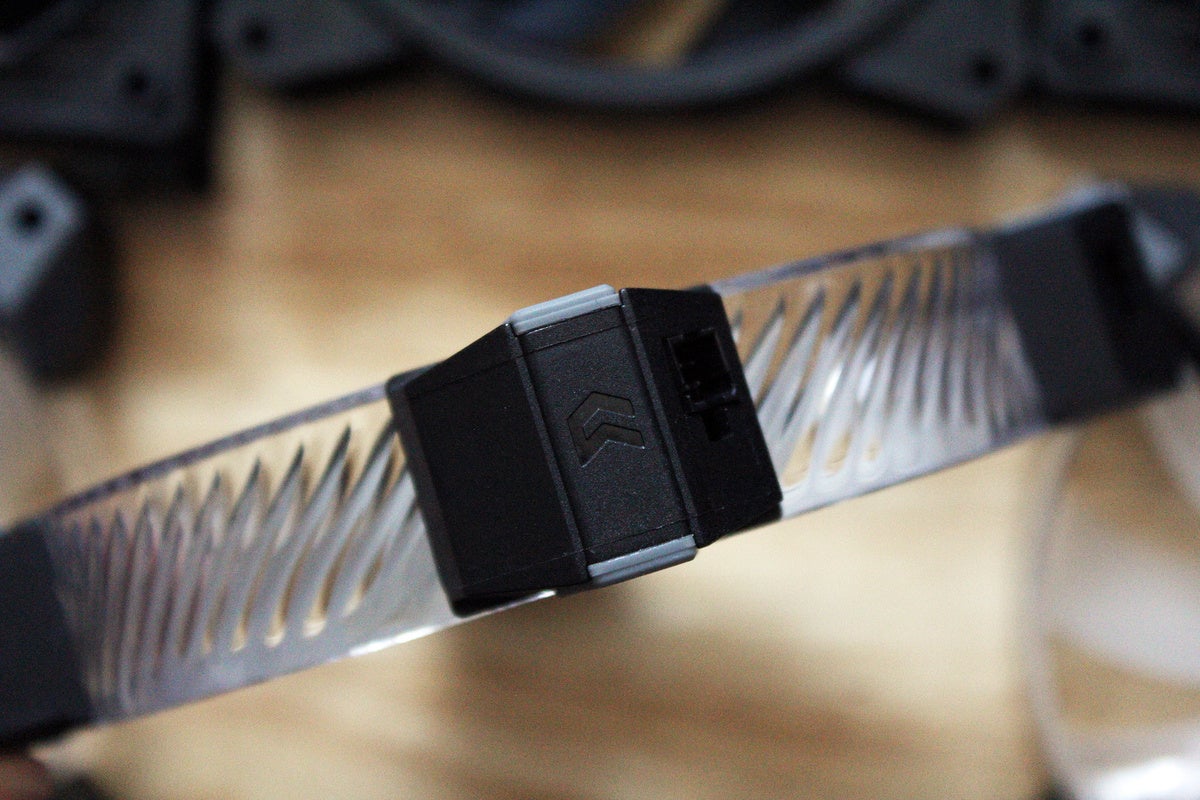
 Some case fans (but not all) take up an arrow showing the guidance of airflow.
Many fans have a small arrow on the casing that indicate the direction of flow of air. Whichever mode the pointer points, that's the side that air will botch up from.
(Yep, it's that impressible.)
Spirit at the lover blades
Non all fans have an arrow—or possibly you're trying to evaluate a fan that's installed in a case surgery on a CPU cooler and you don't want to unmount IT to look for an arrow. Fortunately, you don't need the arrow to tell you the direction of air flow. Instead, simply consider the winnow blades.
 Alaina Yee / IDG
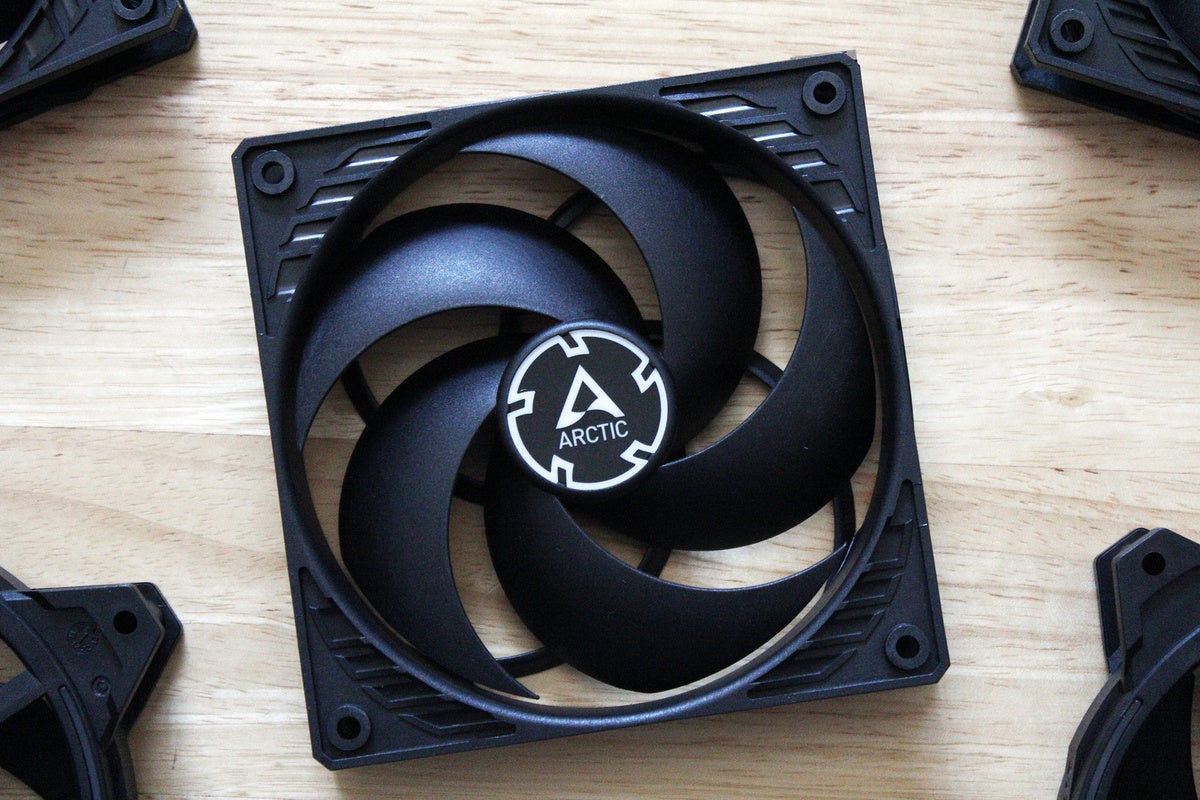
 Blades curving away from you? That's the uptake side.
If the fan blades attend disciform—that is, they're curving away from you—that's the intake side. (For the more technical out there: The convex incline of the fan blades is the intake side.)
 Alaina Yee / IDG
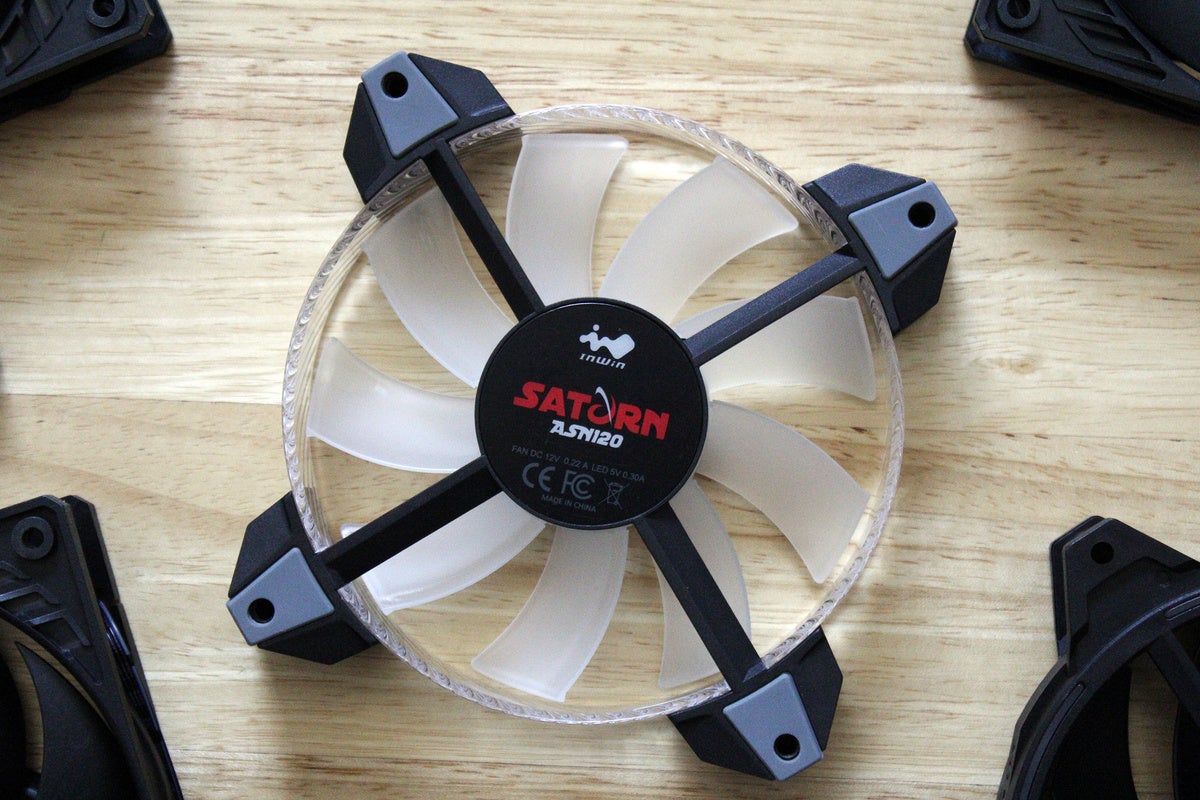
 Fan blades curving toward you? That's the exhaust side.
If the fan blades look like the inside of a dish or bowl—that is, they're curvy toward you—that's the exhaust position. (In some other words, the concave side is where bare exhausts.) Oftentimes, the exhaust side also has the crosshatch supports for the fan's frame, with a circular thorn in the center that lists brand and model information.
If thinkable, memorizing the fan blade shapes is the best method acting to see devotee management—you fire tell apart immediately which way the fan is blowing.
Why this matters
As touched happening above, the direction of a fan matters for airflow. Knowing the way IT points testament determine the unexcelled places to mount information technology, especially for a case. Information technology too helps see to it that you actually set up the adjust flow of air configuration for your purposes.
Most PCs utilisation electropositive pressure to get enough composed air going through the system, which way you need more fans set as intake than as exhaust. In quality situations, a builder might instead opt a negative pressure setup, where you'll demand more fans shot send out of the case than pulling in. Both ensure that your machine isn't cookery in the empty words generated by its components. But if you aren't paying attention to the fans as you install them (or how the case came preconfigured), you could end up with a different configuration than intended. Read our guides on how to put in fans and how to configure fans for certain or negative pres setups to puzzle the full details on optimizing your PC's cooling.
Editor's note: This clause was updated on 8/26/2021 to let in tutorial video.
Distinction: When you purchase something after clicking links in our articles, we may earn a small military commission. Study our affiliate link policy for more than details.
Alaina Yee is PCWorld's occupant bargain hunter—when she's not coating PC building, computer components, mini-PCs, and more, she's scrub for the best tech deals. Previously her work has appeared in Microcomputer Gamer, IGN, Maximum PC, and Official Xbox Magazine. You can find her on Twitter at @morphingball.
Why Does My Fan Keep Spinning After Shutdown Pc
Source: https://www.pcworld.com/article/3619063/how-to-tell-which-way-your-fan-is-blowing.html


0 Komentar
Post a Comment